Bangladesh’s digital economy is growing fast and so is its electronic waste problem. Every year, millions of discarded smartphones, laptops and gadgets pile up with nowhere safe to go. Most end up in landfills or informal recycling sites, releasing toxic materials into soil and water. This is Bangladesh’s e-waste crisis and it is getting worse.
NextHand is one of the companies actively working to change that.
What Is E-Waste and Why Does It Matter?
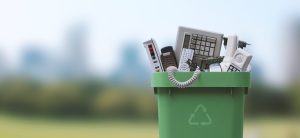
E-waste refers to any discarded electrical or electronic device — old phones, computers, televisions, batteries and accessories. It is the world’s fastest-growing waste stream and Bangladesh, with its rapidly rising device adoption and limited recycling infrastructure, is especially vulnerable.
What Are the Disadvantages of E-Waste?
The consequences go far beyond cluttered drawers:
- Toxic contamination — Heavy metals like lead and mercury leach into groundwater and farmland
- Health damage — Communities near informal recycling sites face respiratory illness, neurological harm and cancer risk
- Wasted resources — Precious metals inside devices are lost forever when dumped
- Higher carbon footprint — Every new device manufactured adds roughly 70 kg of CO₂ to the atmosphere
For a developing economy like Bangladesh, these environmental, health and economic costs are simply too much to handle. They have become unsustainable for our future.
How NextHand Helps Reduce E-Waste
NextHand is Bangladesh’s dedicated marketplace for second-hand electronics. The platform lets people buy and sell used smartphones, laptops, tablets, cameras and accessories — easily, affordably and transparently.
The logic is straightforward: a device that gets resold is a device that does not become e-waste.
When a buyer chooses a second-hand phone on NextHand instead of a brand-new import, one less device needs to be manufactured and one functional gadget is saved from disposal. At scale, this is how Bangladesh begins to build a circular electronics economy.
How to Minimize E-Waste – Starting With Your Next Purchase
Reducing electronic waste does not require dramatic lifestyle changes. The most impactful steps are simple:
- Repair before replacing — extend your device’s lifespan as long as possible
- Buy second-hand — platforms like NextHand make it safe and convenient
- Sell or donate old devices — instead of leaving them in a drawer or dumping them
NextHand makes all three easier for everyday Bangladeshis. Sellers get fair value for devices they no longer need. Buyers access quality electronics at honest prices. And Bangladesh generates less e-waste with every transaction.
Why This Matters Right Now
Bangladesh cannot wait for large-scale recycling infrastructure to solve this problem. Market-based solutions, where economic incentives and environmental outcomes align – are needed today.
NextHand sits at exactly that intersection. It normalizes second-hand electronics, builds trust in the used device market and creates real, measurable impact without asking consumers to sacrifice convenience or affordability.
Every phone sold on NextHand is one less device in a landfill. One less device manufactured from scratch. One small but real victory against Bangladesh’s growing electronic waste problem.
Ready to be part of the solution? Visit NextHand to buy or sell second-hand electronics today.
Frequently Asked Questions (FAQ)
- What is the e-waste situation in Bangladesh?
Bangladesh generates massive amounts of electronic waste annually, much of which ends up in landfills and causes toxic pollution.
- How does NextHand help the environment?
NextHand refurbishes and resells used phones, extending their lifespan and keeping them out of trash heaps.
- What are the main disadvantages of e-waste?
E-waste releases toxic heavy metals that contaminate soil and water, leading to serious health issues for humans and animals.
- How can I minimize my own e-waste?
The best way is to buy high-quality pre-owned devices and repair your current gadgets instead of constantly buying brand-new ones.
- Is buying a used phone safe?
Yes. Buying from a trusted site like NextHand ensures the device is tested and functional, making it a safe, eco-friendly choice.