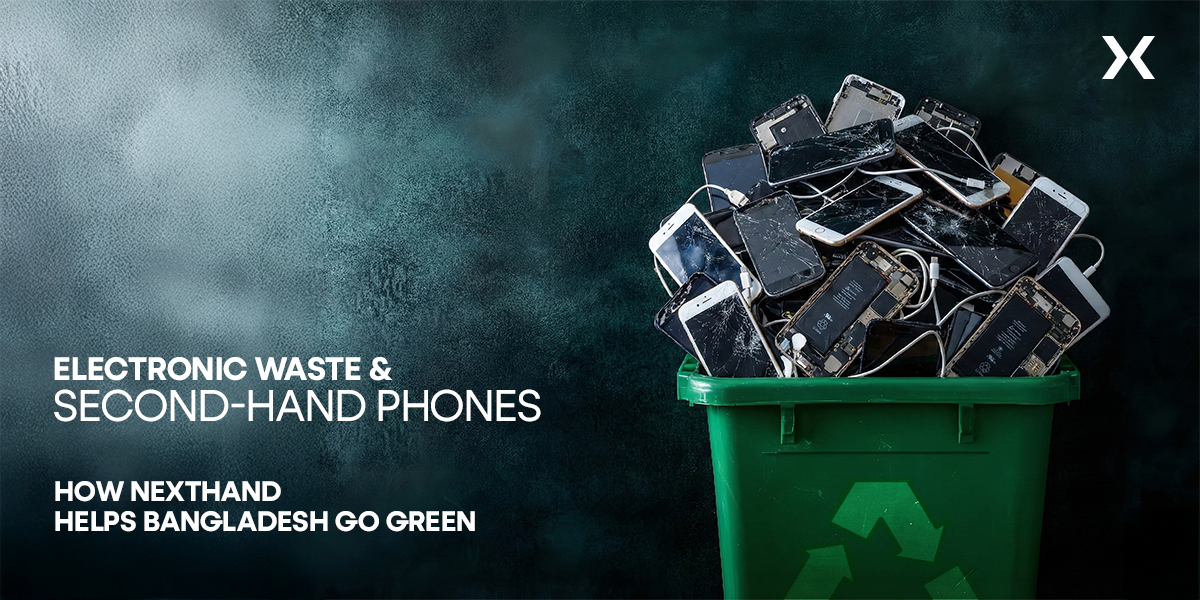
Every time we upgrade to a new phone, the old one quietly joins the global mountain of electronic waste. Some devices end up in drawers, others in landfills or informal dumps, and only a small share is recycled safely. Globally, the world generated around 62 million tonnes of discarded electronics in 2022, yet less than a quarter was properly collected and recycled.
That’s a huge problem, but it’s also a huge opportunity, especially in countries like Bangladesh where millions of people want affordable smartphones without harming the planet. This is exactly where quality second‑hand markets such as NextHand come in, helping to keep good devices in use and out of the trash.
Electronic Waste and the Hidden Cost of Our Favorite Gadgets
What Is E‑waste, Really?
In simple terms, electronic waste is any device with a plug or battery that we decide to discard, whether it’s broken, outdated, or simply replaced by the “next big thing.” That includes smartphones, laptops, tablets, TVs, headphones, chargers, routers, and even smart home gadgets.
Inside these products is a complex mix of materials:
- Valuable metals like gold, copper, and rare earth elements
- Plastics and glass
- Hazardous substances such as lead, mercury, and flame retardants
If managed correctly, many of these materials can be recovered and reused. If handled badly, they can leak toxic chemicals into our air, soil, and water.
Why Our Gadget Pile Keeps Growing
As incomes rise and devices get cheaper, global electronic waste keeps climbing faster than recycling efforts. New models launch every year, often with only small upgrades. Yet the marketing pressure is strong. Many people feel the need to upgrade even when their current phone still works perfectly.
A few things are driving this surge:
- Short product life cycles – Batteries wear out, software updates stop, or storage fills up.
- Limited repair options – Repairs can be expensive or inconvenient compared to buying “something new.”
- Planned obsolescence – Some devices are designed in ways that make parts hard to replace.
- More devices per person – Phones, laptops, tablets, smartwatches, earbuds… the list keeps growing.
Without strong reuse and recycling systems, all of this eventually turns into a growing stream of discarded gadgets.
The Damage We Don’t See
When electronic waste is dumped, burned, or dismantled without proper safety measures, the hidden costs show up in our environment and our health. Toxic substances like lead and mercury can contaminate soil and groundwater, while open burning releases dangerous fumes into the air.
In many low-income communities, people make a living by dismantling old electronics by hand to recover small amounts of metal. Most of these informal workers have no access to masks, gloves, or proper tools, leaving them directly exposed to toxic dust and fumes. Over time, exposure to these toxic materials can contribute to respiratory problems, skin issues, and damage to the nervous system, especially for children and pregnant women.
The sad part? Much of this risk is unnecessary. A large share of discarded phones and laptops are still usable or can be easily repaired, sold, or donated instead of being dumped.
Bangladesh, Budget Phones & Smarter Choices
In a fast‑growing digital economy like Bangladesh, access to smartphones and laptops is essential for education, jobs, business, and staying connected. But buying brand‑new devices every time is expensive and increases electronic waste worldwide.
This is where NextHand makes a real difference. Nexthand is a dedicated marketplace for used smartphones, laptops, tablets, and gadgets in Bangladesh. They work with verified sellers and focus on certified, high‑quality pre‑owned devices, especially popular brands like iPhone, Samsung, and other major manufacturers.
Most importantly, their mission is to fight e‑waste by giving expertly restored devices a second life. By helping people buy and sell second‑hand phones safely, Nexthand:
- Keeps still‑good devices in circulation longer
- Reduces demand for new production (and all the mining, energy, and shipping behind it)
- Makes quality tech more affordable for everyday users across Bangladesh
That’s good for your wallet and for the environment.
How You Can Cut Your Tech Footprint
You don’t have to give up technology to do your part. Small decisions add up, especially in a country with millions of mobile users. Here’s how you can personally help reduce electronic waste:
- Use devices longer
- Don’t upgrade just for a new color or minor feature.
- Replace a battery or repair a cracked screen instead of buying new.
- Choose high‑quality second‑hand
- Buy from trusted platforms like NextHand that test and verify devices before selling.
- Look for clear grading, return policies, and (when available) limited warranties.
- Resell or trade in your old phone
- If it still works, sell it or trade it rather than keeping it in a drawer.
- This keeps your device useful for someone else and delays it from entering the waste stream.
- Recycle responsibly when a device truly dies
- Use official collection points, repair shops, or brand programs that accept end‑of‑life devices.
- Never burn electronics or throw them into open dumps.
By slowing down how fast phones and laptops move toward electronic waste, we all help protect air quality, water resources, and public health while still enjoying the benefits of modern tech.
Cutting electronic waste is not about saying “no” to smartphones or innovation; it’s about using technology more intelligently. When we repair instead of replace, buy verified second‑hand devices, and recycle properly at the end of life, we transform a growing global problem into a powerful opportunity for sustainability.
For people in Bangladesh, platforms like NextHand make that choice easier by combining affordability, quality, and environmental responsibility in one place. Every time you choose a carefully tested used phone over a brand‑new one, you’re saving money and quietly helping the planet breathe a little easier.
FAQs
- What exactly is e‑waste?
E‑waste is any discarded electrical or electronic device like phones, laptops, TVs, or chargers that you no longer want or use. It includes both broken gadgets and perfectly working devices that have been replaced. - How does buying second‑hand phones help the environment?
Buying second‑hand extends a device’s life. That means fewer new phones need to be manufactured, which reduces mining, energy use, shipping emissions, and the volume of electronics that end up as trash. - Is it safe to buy a used phone in Bangladesh?
Yes, if you choose a trusted source. Platforms like NextHand work with verified sellers and carefully test devices before listing them, often with grading and support options to give buyers more confidence. - What should I do with my old phone if it still works?
You can sell it, trade it in, or donate it. This gives your phone a second life with someone who needs it and keeps it out of landfills for longer. - How can businesses reduce e‑waste from their IT equipment?
Companies can adopt policies for repair, refurbishment, and resale, partner with certified recyclers, and buy devices designed for easy maintenance. Some also use buyback or leasing programs so equipment can be professionally reused or recycled when it’s time to upgrade.