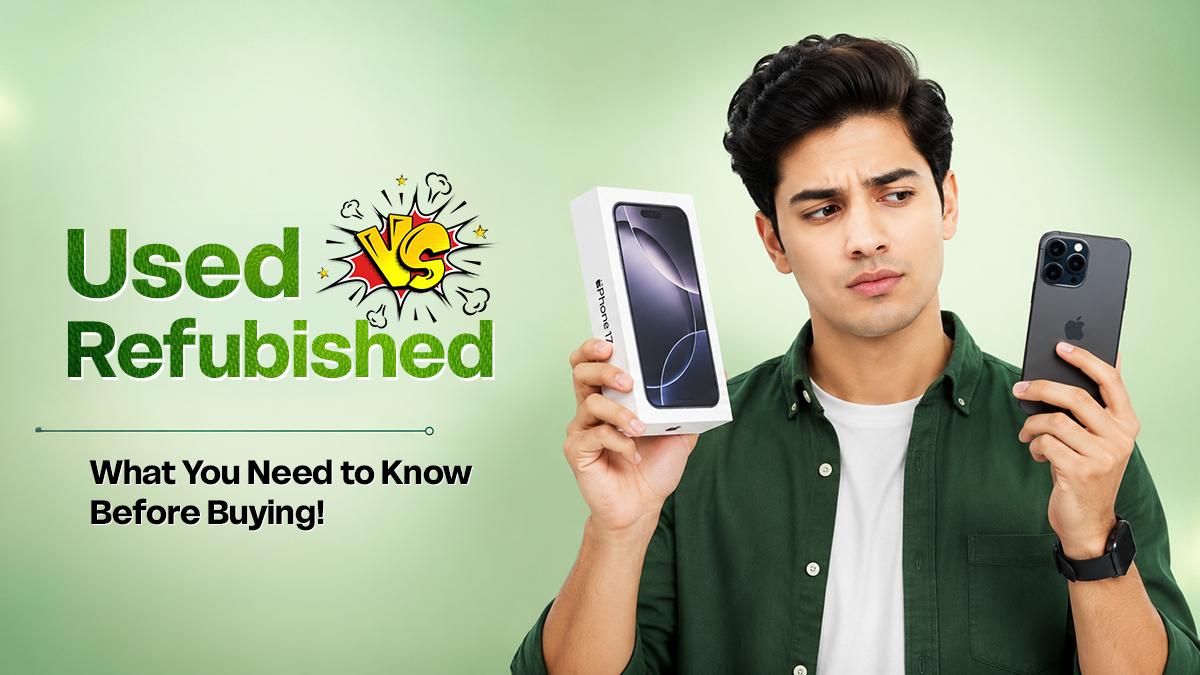
Buying a pre-owned smartphone is a practical way to get flagship features for less. However, shoppers often struggle with the choice between used vs refurbished phones because the labels are often used interchangeably. Understanding the raw truth about what you are actually paying for is the only way to avoid regret later. This guide provides an honest look at both options to help you decide which path fits your specific budget and risk tolerance without any hidden agendas.
Direct Comparison of Used vs Refurbished Phones
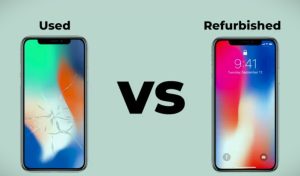
Before diving into the details, it is helpful to see how these two categories differ in their most basic form. The following table highlights the objective differences you will encounter in the marketplace.
| Feature | Used Phones | Refurbished Phones |
|---|---|---|
| Seller Source | Usually private individuals or small shops | Professional retailers or manufacturers |
| Testing Process | None; rely on the seller’s word | Multi-point technical inspection |
| Physical Repairs | Sold as found with all existing wear | Parts are often replaced if faulty |
| Software State | May have old data or accounts | Professionally wiped and reset |
| Packaging | Often just the phone itself | Usually comes in a generic or retail box |
The Honest Truth About Used Devices
A used phone is a device sold in its current condition with no intervention from a technician. This is the most raw way to buy a second-hand device. If the previous owner was careful, you get a gem; if they were negligent, you get their problems.
The Pros of Buying Used:
- Absolute Lowest Price: These are the cheapest devices because there are no labor costs for testing.
- Direct Negotiation: You can haggle with private sellers to lower the cost even further.
- Immediate Availability: You can often find a local seller and finish the deal within an hour.
The Cons of Buying Used:
- Hidden Defects: Internal issues like water damage may not appear during a quick meeting.
- No Warranty: Once the cash changes hands, the transaction is final.
- Security Risks: There could be leftover tracking or accounts from the previous owner.
The NextHand Advantage:
We solve the biggest con of used phones: the lack of trust. NextHand provides the low prices of the used market but adds a rigorous testing layer and a replacement warranty so you never buy a “brick.”
The Reality of Choosing Refurbished Models
A refurbished device has been handled by a professional who identifies and fixes faults before the sale. It is a trade-off between price and security.
The Pros of Refurbished Devices:
- Functional Guarantee: You know every component has been tested against a high standard.
- Consumer Protection: These units usually come with a return policy or a limited warranty.
- Standardized Grading: You can choose a specific cosmetic condition based on your preference.
The Cons of Refurbished Devices:
- Higher Entry Cost: Prices include the technician’s time and the cost of the warranty.
- Third-Party Parts: Some shops use cheap components for repairs.
The NextHand Advantage:
While other shops might use low-quality parts, NextHand focuses on maintaining original hardware integrity. We provide a transparent hardware report so you know exactly what is inside your phone, eliminating the “hidden parts” concern.
Which Option Is Right For You?
The honest truth is that neither option is perfect for everyone. If you are a tech-savvy user who knows how to run a full diagnostic check, buying used can save you money. However, if you prefer a “set it and forget it” experience where someone else has verified the hardware, a refurbished model is the logical choice.
Ultimately, the choice between used vs refurbished phones depends on how much time you want to spend verifying the device yourself. NextHand offers the perfect middle ground: used prices with refurbished reliability.
Frequently Asked Questions
Q1: Is a refurbished phone always better than a used one?
No. A well-kept used phone can be better than a poorly refurbished one. Source and repair quality matter most.
Q2: Do refurbished phones come with new batteries?
Usually no. Batteries are only replaced if health is below 80%. NextHand discloses health percentages upfront for transparency.
Q3: Can I return a used phone if I find a problem later?
No. Private used sales are final. NextHand offers a replacement warranty to eliminate this risk for buyers.
Q4: Why is the price gap so large?
Refurbishing costs include professional labor, diagnostic testing software, replacement parts, and the financial risk of a warranty.
Q5: How can I tell if a phone was actually refurbished?
Request a diagnostic report or hardware checklist. Verified sellers like NextHand provide these transparently with every device.
Q6: Does refurbished mean the phone was once broken?
Not always. Many are simply open-box returns or trade-ins that required no physical repairs to meet quality standards.
Q7: Are used phones more likely to be stolen?
Yes. Private sales have higher risks. Always verify the IMEI and iCloud status at NextHand to ensure 100% legality.