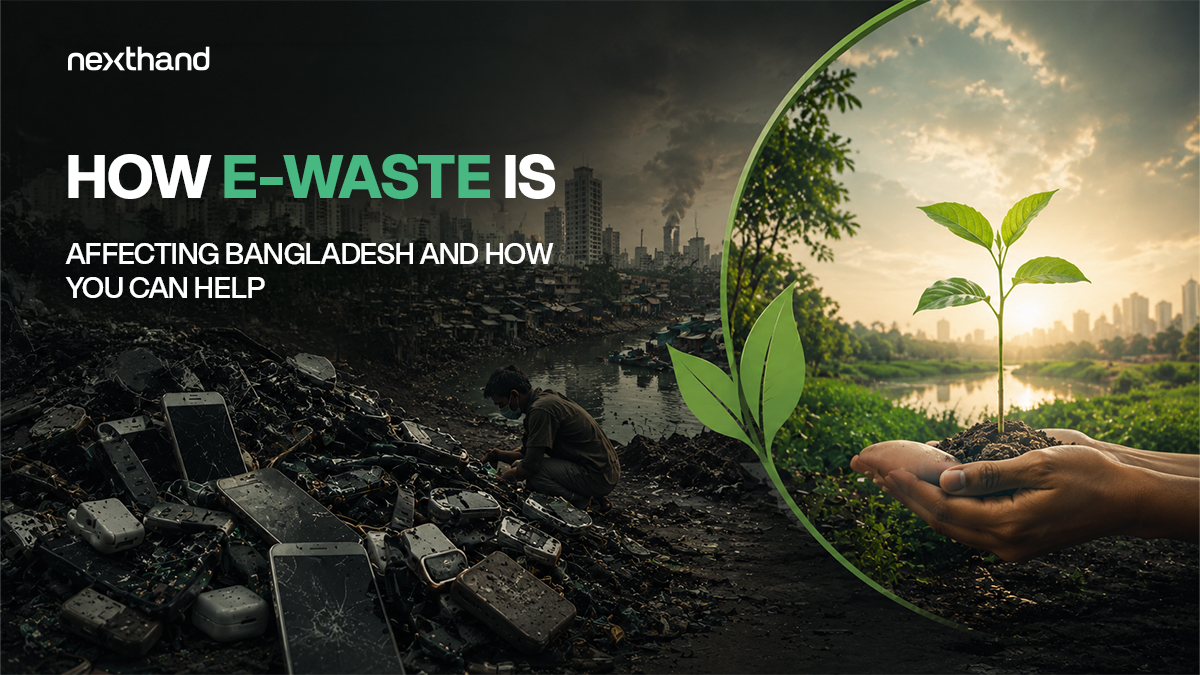
The ongoing digital revolution has brought immense global connectivity and unprecedented economic growth to our country. However, this rapid technological adoption has a very dark and highly toxic side. The rapidly growing crisis of e-waste in bangladesh is a severe environmental and public health issue that requires immediate attention from all citizens. Every single discarded charging cable, broken laptop motherboard, and obsolete smartphone contributes to a mounting toxic problem that threatens our future. Understanding the scope of this issue is the very first step toward creating a truly sustainable future.
The Current State of E-Waste in Bangladesh
The sheer volume of e-waste in bangladesh is increasing at an alarming rate every single year. As a rapidly developing nation, the local demand for consumer electronics, household appliances, and mobile phones is at an all-time high. Unfortunately, the specialized infrastructure required to safely recycle and properly dispose of these complex electronic goods has simply not kept pace with the massive rate of daily consumption.
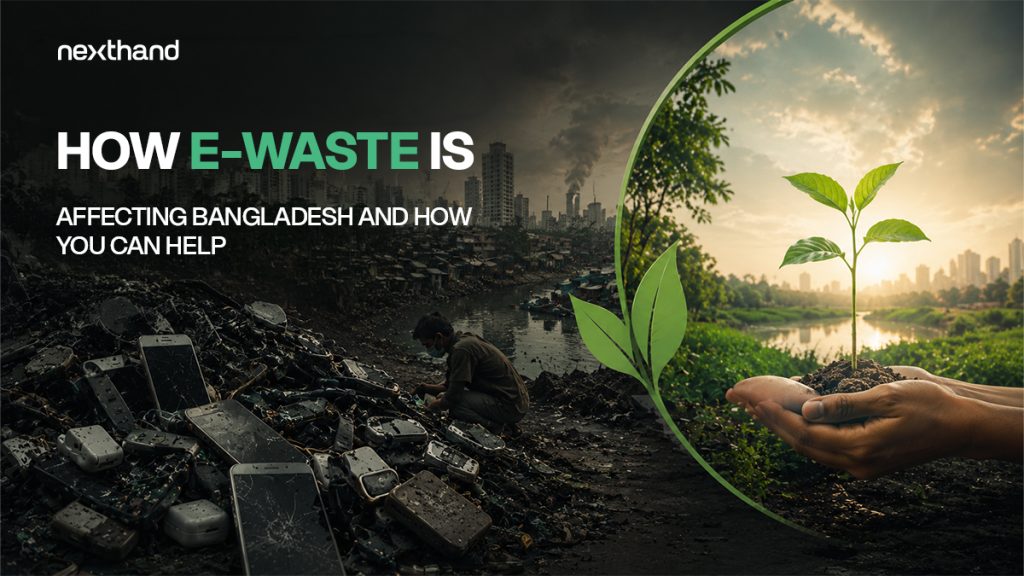
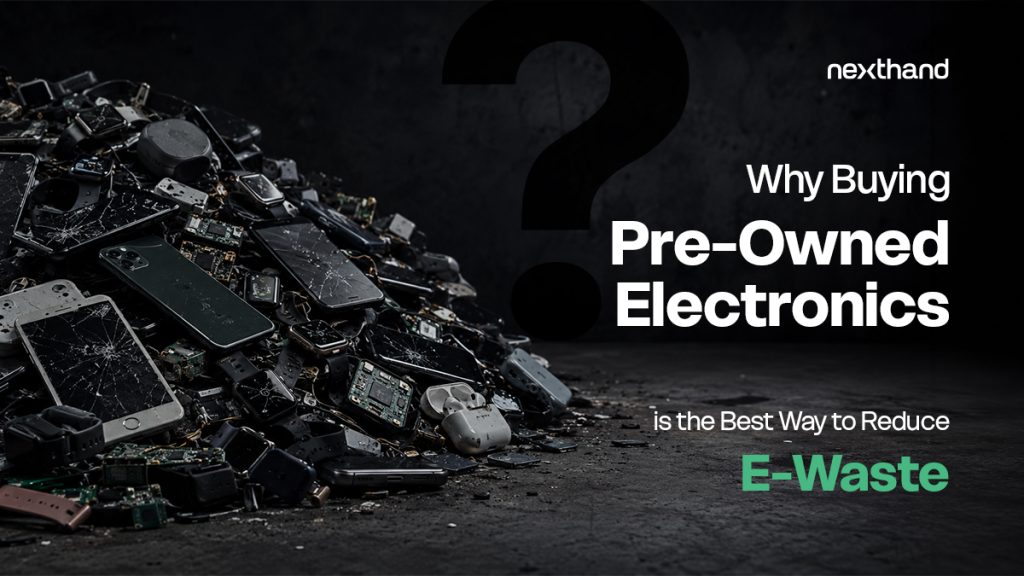
Millions of tons of electronic waste are generated annually across the country, and a massive portion of it ends up directly in informal recycling sectors or regular municipal landfills. These discarded devices are not just harmless plastic; they contain highly hazardous materials, including toxic lead, mercury, and cadmium. When left to rot in open garbage dumps, these dangerous heavy metals eventually seep deep into the groundwater and surrounding soil, causing severe agricultural damage and long-term health complications for nearby communities.
The Danger of Informal Recycling Sectors
The informal recycling sector in urban areas often uses highly primitive and dangerous methods to extract valuable trace metals like copper, silver, and gold from old circuit boards. Common methods such as open-air acid baths and uncontrolled burning release highly toxic, black chemical fumes directly into the atmosphere. This practice causes severe respiratory issues for the unprotected workers handling the materials and drastically lowers the air quality for the surrounding residential neighborhoods. This environmental degradation affects absolutely everyone, making responsible electronic disposal a critical national priority.
Actionable Steps You Can Take Today
You have the power to make a tangible, positive difference starting today. Protecting the local environment starts with small, daily consumer choices regarding how you handle your personal tech. Hold Onto Your Devices Longer: Resist the constant marketing urge to upgrade your phone every single year if your current device still works perfectly fine.
- Utilize Trade-In Platforms: Use dedicated marketplaces like NextHand to securely sell or trade in your older electronics, keeping them in active circulation instead of in a drawer.
- Seek Certified E-Waste Recyclers: If a laptop or phone is completely dead and beyond repair, take the time to drop it off at certified e-waste recycling programs in Dhaka that use environmentally safe extraction methods.
- Prioritize Repair Over Replacement: Choose to fix a cracked smartphone screen or replace a degraded battery instead of throwing the entire device away immediately.
Small, mindful choices add up to massive environmental relief for our local communities and future generations.
Frequently Asked Questions
Q: How much e-waste in bangladesh is generated every year?
Bangladesh generates roughly 367 million kilograms of electronic waste annually, with around 30 million mobile phones entering the local waste stream each year.
Q: What percentage of e-waste in bangladesh is recycled safely?
Only about 3% of the country’s electronic waste is processed through formal, safe recycling channels, leaving the remaining 97% to the informal sector.
Q: Why is the informal recycling of e-waste in bangladesh dangerous?
Informal recyclers use crude methods like open-air acid baths and plastic burning, releasing toxic black chemical fumes into the air and heavy metals into groundwater.
Q: What major health risks are associated with electronic waste?
Discarded devices leak hazardous heavy metals like lead, mercury, and cadmium, which contaminate the local food chain and cause long term respiratory and neurological health complications.
Q: How can everyday citizens help reduce e-waste in bangladesh?
Consumers can minimize waste by choosing to repair hardware, extending the daily lifespan of gadgets, and using specialized local trade in platforms.
Q: Where can I safely sell old gadgets to minimize e-waste in bangladesh?
You can safely list your used smartphones, laptops, and tablets on NextHand to ensure they get bought and reused instead of being thrown into landfills.
Q: Does NextHand help reduce electronic pollution across Dhaka?
Yes, NextHand supports the local circular economy by keeping functional consumer electronics in active circulation, directly lowering the demand for new device consumption.